
Gum treatment in Almaty at DentalPark

The expert behind this article:
Dr. Murat Dzhanpolat
Chief Physician
Surgeon, Implantologist
Experience: 15 years
Gum treatment: frequently asked questions and answers
Why are my gums inflamed and bleeding?
Inflamed and bleeding gums are often signs of a condition known as periodontitis or periodontosis. It develops when plaque builds up and hardens into tartar, which irritates the gums and can cause inflammation. Regular brushing, professional cleaning at the dentist and proper flossing help prevent gum inflammation and bleeding.
How are inflamed gums treated?
Treatment depends on how advanced the disease is. In the early stages, it's important to maintain good oral hygiene and remove plaque and tartar. More serious cases may require professional cleaning and root scaling to remove bacterial deposits below the gums. In some cases, such as abscesses or more serious problems, surgery may be needed.
What symptoms can indicate gum problems?
Symptoms of gum problems include:
- Inflamed, red gums.
- Bleeding when brushing or eating.
- Swollen, painful gums.
- Bad breath.
- Gums pulling away from the teeth (gum recession).
If you have any of these symptoms, see a dentist for an assessment and treatment.
How can gum problems be prevented?
Preventing gum problems involves the following:
- Regular brushing and flossing.
- A healthy diet and limited sugar intake.
- Professional cleaning at the dentist every six months.
- Regular check-ups and preventive care at the dentist.
- Quitting smoking.
How is gum recession treated?
Gum recession is a process in which the gums pull away from the teeth. Treatment for recession may include:
- Root planing to remove bacterial deposits.
- Plastic surgery to graft tissue or place membranes.
- Special gels and rinses to stimulate tissue growth.
Treatment depends on the extent of the recession and may require a consultation with a periodontist.
Gum treatment in Almaty: effective methods at DentalPark
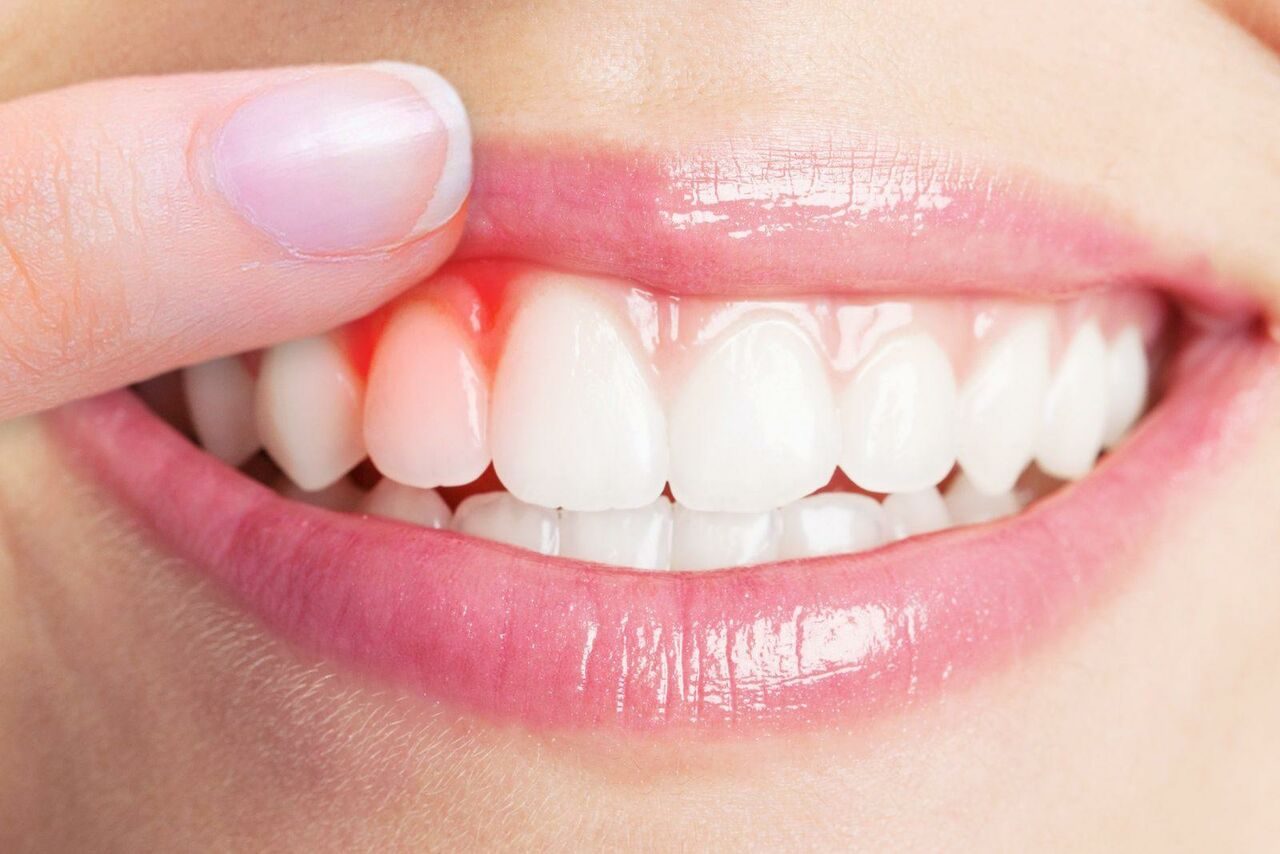 Treating gum disease is an important part of keeping your mouth healthy. In Almaty, DentalPark dental clinic offers advanced gum treatment methods, providing patients with high-quality, effective care.
Statistics show that gum disease is one of the most common oral health problems and leads to tooth loss. Only timely treatment can prevent this.
Causes of gum disease include improper oral care, older age, hormonal imbalances, mechanical injuries, burns and cuts. At-risk groups include pregnant women, teenagers and people with endocrine disorders. The main problem is that symptoms don't appear right away: people are sure they are healthy until the very last moment and let the disease progress.
Gum treatment procedures at DentalPark
Professional hygiene cleaning: Thorough removal of plaque and tartar helps prevent gum disease from developing.
Laser therapy: Treating gum disease with lasers is painless and allows a fast recovery.
Surgery: In serious cases, DentalPark dentists perform surgical procedures to restore gum health.
Remember that all these diseases develop silently. Don't ignore even minor symptoms, such as bleeding when you brush your teeth. It's better to see a specialist and start gum treatment in time.
Bad breath and gum disease
Statistics show that gum disease is one of the most common oral health problems. It is a very serious problem that leads to tooth loss, and it is “PROFESSIONAL HYGIENE” that prevents gum disease, as well as tooth decay and its complications.
Causes
As a rule, all gum diseases are linked to poor brushing technique. This allows bacteria to multiply, causing inflammatory conditions such as gingivitis, periodontitis and periodontosis.
The first signs of poor brushing technique are bad breath, tenderness, swelling and bleeding, which can lead to gum disease.
Older age, smoking, other health conditions and hormonal imbalances make the situation worse. At-risk groups include pregnant women, teenagers, people with endocrine or heart conditions, and people with diabetes.
Symptoms
The main problem is that the damage doesn't show right away. For a long time, a person may believe they are healthy and mask the symptoms with various mouthwashes, toothpastes and ointments. This brings temporary relief while the underlying cause keeps developing without symptoms. If you notice these symptoms, see a dentist as soon as possible and don't try to treat yourself.
Your dentist will first find the cause of the problem, remove all the plaque, choose oral care products suited to you and teach you how to care for your teeth so that tartar and plaque no longer build up.
Types of gum disease
The affected areas can vary, so gum diseases are divided into three main groups:
Gingivitis. This is inflammation of the gums. The gum tissue is affected locally, around a particular tooth, while the tooth itself is not affected. That is why this disease is relatively easy to cure. The key is to see a specialist in time to avoid negative consequences.
Periodontitis. The tissues that support the tooth are destroyed. The gums degenerate, forming pockets where food debris collects. This leads to swelling, bleeding, increased sensitivity and a build-up of pus. If the disease is left untreated, the teeth will start to fall out.
Periodontosis. In this disease, the blood supply to the tissues is impaired. This causes them to degenerate and exposes the necks of the teeth. There is no bleeding, swelling or pain. The bone of both jaws gradually breaks down. Treatment is more complex and involves comprehensive therapy.
Gum treatment
Oral diseases should be diagnosed and treated only by a dentist. Folk remedies can serve only as prevention. Based on the examination, the dentist chooses the treatment method and approach. Today there is a fairly wide range of options.
Hygiene cleaning
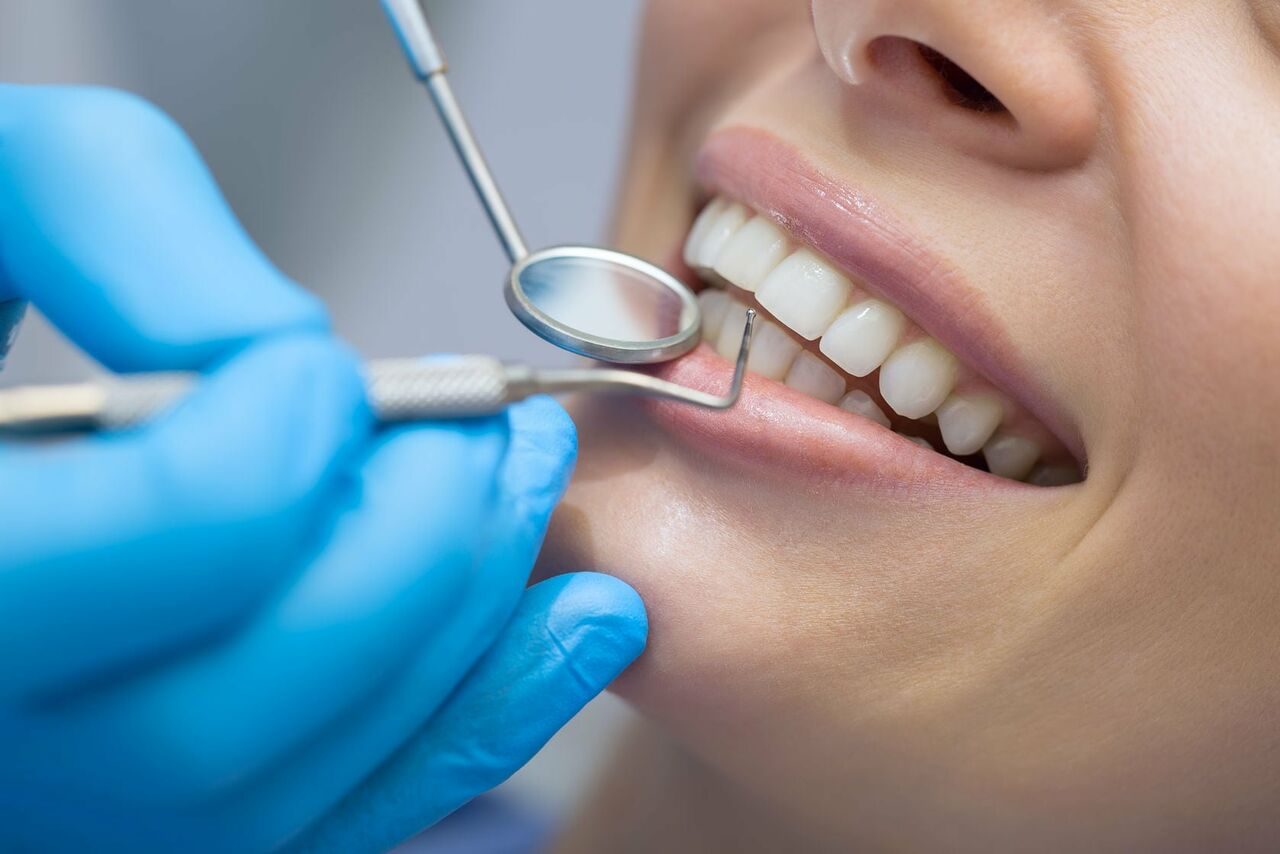 It is done in three stages: selecting personal oral care products, removing dental deposits and teaching oral hygiene. This procedure not only removes plaque and hard deposits but also helps prevent tooth decay and its complications, because one of the main causes of decay is bacteria that multiply when oral hygiene is poor.
A hygiene check is carried out a week later to find hard-to-reach areas where tartar may form in the future. Your dentist will choose interdental brushes or an additional toothbrush for you and check your brushing technique.
The cleaning is performed with a laser, ultrasonic or air-polishing device. This treatment is effective.
Device-based gum treatment with the Vector system
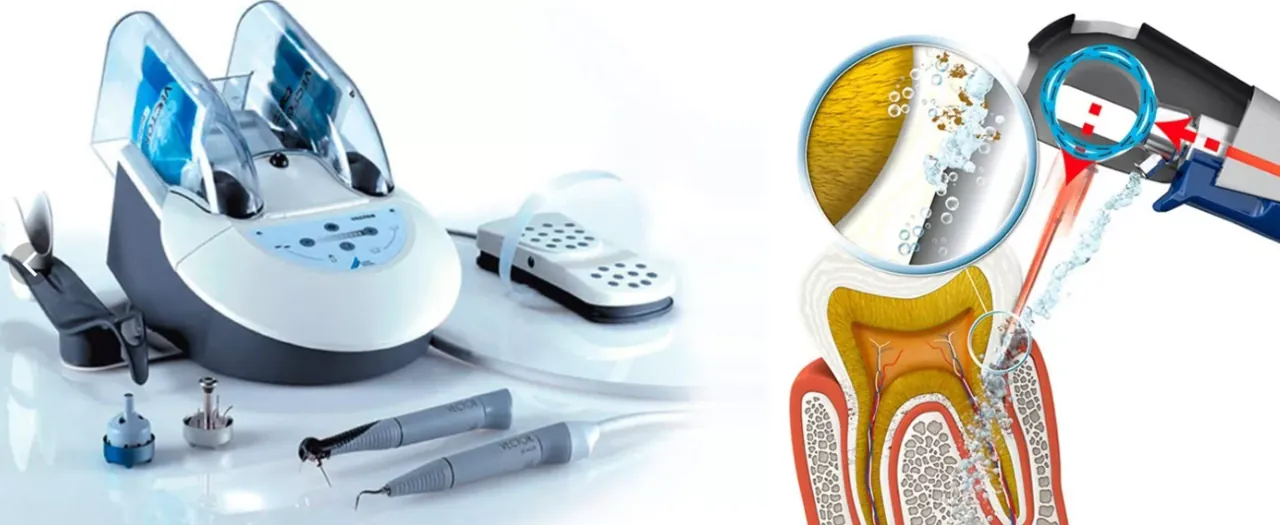 It is used to stimulate tissue regeneration and for intensive cleaning. It removes dental deposits and polishes the tooth surface. It is most effective for periodontitis and gingivitis.
Anti-inflammatory medications
Their main effects are reducing swelling, fighting bacteria and relieving inflammation. They are effective after a cleaning and in the early stages of disease, or as part of comprehensive therapy alongside the main treatment.
Physiotherapy
These procedures are not used during flare-ups, but they are helpful when the disease is chronic. They include:
Massage. Helps normalize metabolism and improves tissue nutrition.
Vacuum therapy. It works by deliberately rupturing capillaries to create a hematoma. As the hematoma resolves, it stimulates the body's defense mechanisms, which stops tissue atrophy. This method is used for periodontosis.
Darsonvalization. Normalizes blood circulation by applying an electric current. It is used when there is no pus discharge.
Electrophoresis. Medications are delivered into the tissues using an electric current. They strengthen capillaries, reduce hypoxia and stimulate collagen production.
Pocket curettage
This is the scraping out of pathological deposits. For deep-seated forms, excision and anesthesia are used.
Surgery
In the most advanced cases, a maxillofacial surgeon is called in, for example for gum recession. The exposed areas are “covered” with donor tissue.
Splinting
With periodontosis, teeth often become loose. To prevent this, special appliances called splints are fitted. They can be temporary or permanent. Notably, they cause no discomfort at all in everyday life.
Remember that all these diseases develop gradually. Don't ignore even minor symptoms. It's better to see a specialist: this helps you avoid complications and saves you money and time.
Prevention
To prevent gum disease, take careful care of your oral hygiene and visit the dentist regularly. Come to our clinic for a check-up.
Healthy gums are an important part of overall oral care. Regular cleaning, professional check-ups and a healthy diet will help keep your gums healthy and prevent serious oral health problems. Keep an eye on the condition of your gums and see a doctor if you notice any symptoms of disease.
How much does gum treatment cost?
| Gum treatment course | from 60,000 KZT |
All our services
 Gum treatment
 Dental treatment
 Bite correction for children and adults
 Dental implants in Almaty
First consultation and check-up — free
132 Dostyk Ave, 1st floor, Almaty · Mon–Sat, 9:00–20:00