
Braces in Almaty

The expert behind this article:
Dr. Murat Dzhanpolat
Chief Physician
Surgeon, Implantologist
Experience: 15 years
Frequently asked questions
What are braces?
If you need braces for medical or aesthetic reasons, choose the specific type carefully, considering not only the price but also your lifestyle and work: the appliance should not cause discomfort in everyday life or when you talk to people. Some types of braces (lingual braces, for example) can affect your speech and make communication harder, which is unacceptable if your work involves dealing with people (managers, teachers, healthcare workers and so on).
What are braces made of?
Braces consist of brackets and an orthodontic archwire. A bracket is attached to each tooth individually and transfers force from the archwire to the tooth; this pressure gradually moves the teeth into their correct position.
Which braces should I choose?
You can't say outright that one system is good and another isn't. Each has its pros and cons. The choice depends not only on the patient's wishes and budget but also on the doctor's recommendations. Depending on the situation, only metal braces may be suitable and nothing else, so be prepared for such nuances.
Another important factor for patients is how long treatment will take, since this directly affects any restrictions or inconvenience in their everyday life.
A dentist who specializes in orthodontics will help you understand the advantages and disadvantages of each system.
How do I prepare for braces?
Before braces are fitted, preparatory treatment is prescribed. It is needed if the patient is found to require:
- Treatment of cavities
- Treatment of inflammation in the mouth
- Removal of dental deposits (tartar and soft plaque)
Braces in Almaty
Braces in Almaty at DentalPark: your ideal choice for a beautiful smile
Healthy, beautiful teeth play an important role in your overall well-being and confidence. Braces are one of the most effective ways to correct crooked teeth and other dental defects. In this article, we explain how braces can change your life and why DentalPark is the best choice for treatment in Almaty.
DentalPark is one of the leading orthodontic clinics in Almaty, and we offer a wide range of services for fitting and maintaining braces. Here are a few reasons to choose us:
- Professional orthodontists: Our specialists have extensive experience in orthodontics and are constantly improving their skills.
- Individual approach: We take each patient's needs into account and develop a personalized treatment plan.
- Modern equipment: At DentalPark we use modern technology and equipment, which ensures effective and comfortable treatment.
- Wide choice of braces: You can choose between metal and ceramic braces, as well as other options, to find the one that suits you best.
- Long-term results: DentalPark guarantees that after treatment you will have a beautiful, healthy smile that will delight you for many years.
Before modern orthodontic systems appeared, and before patients could choose what they were made of, many people avoided braces even if they wanted to straighten their teeth. The reason was the unattractive look of the metal appliance attached to the front of the teeth.
Today, several types of braces have been developed and are used in dental practice. They differ in the material they are made of and in how they are attached. With such a wide variety, there is always an option that suits you.
Metal braces
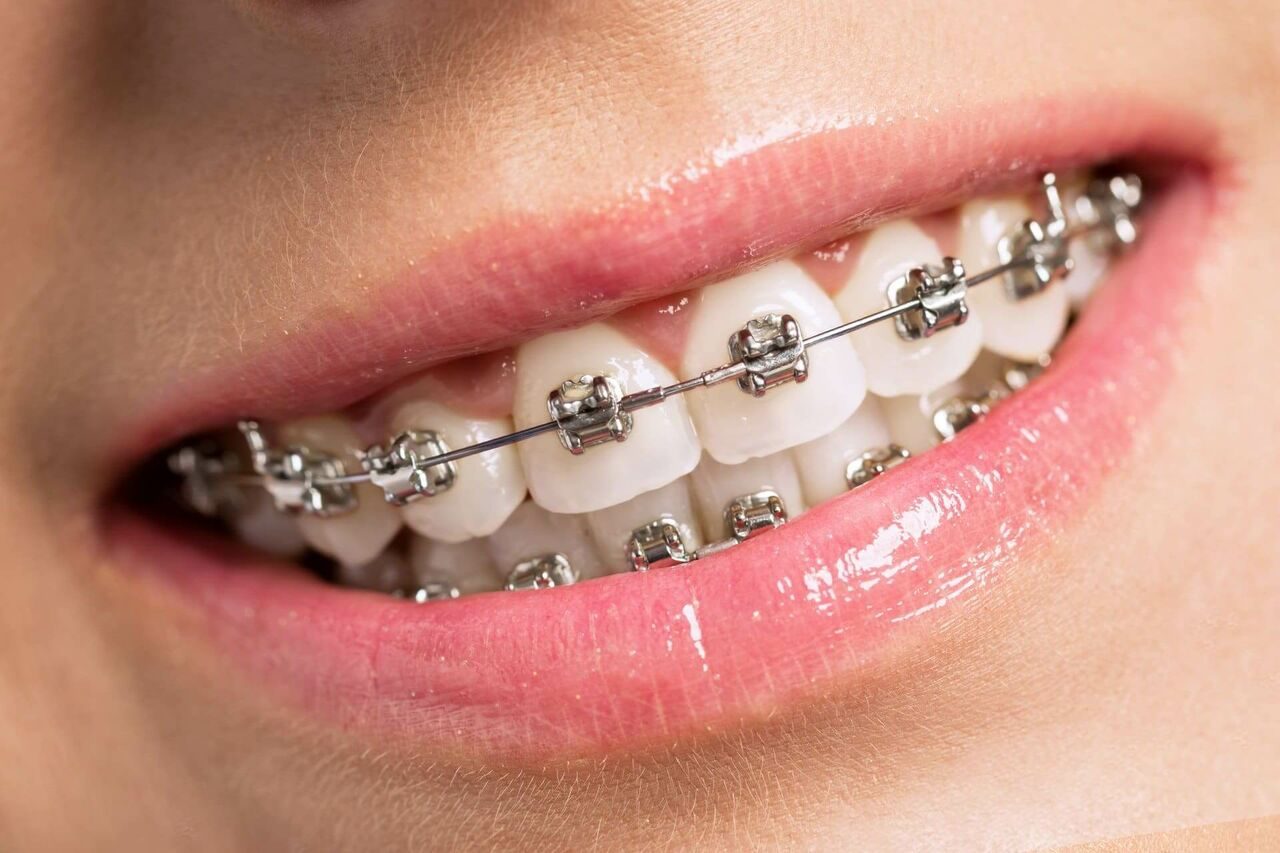 Made of medical-grade steel, these are the most affordable braces and within reach of many patients. This, together with their reliability and strength, makes metal braces popular. However, not everyone is willing to choose them for aesthetic reasons: a smile with braces like these can hardly be called attractive. If a charming smile matters to you even while you are wearing braces, consider the other types.
Ceramic braces
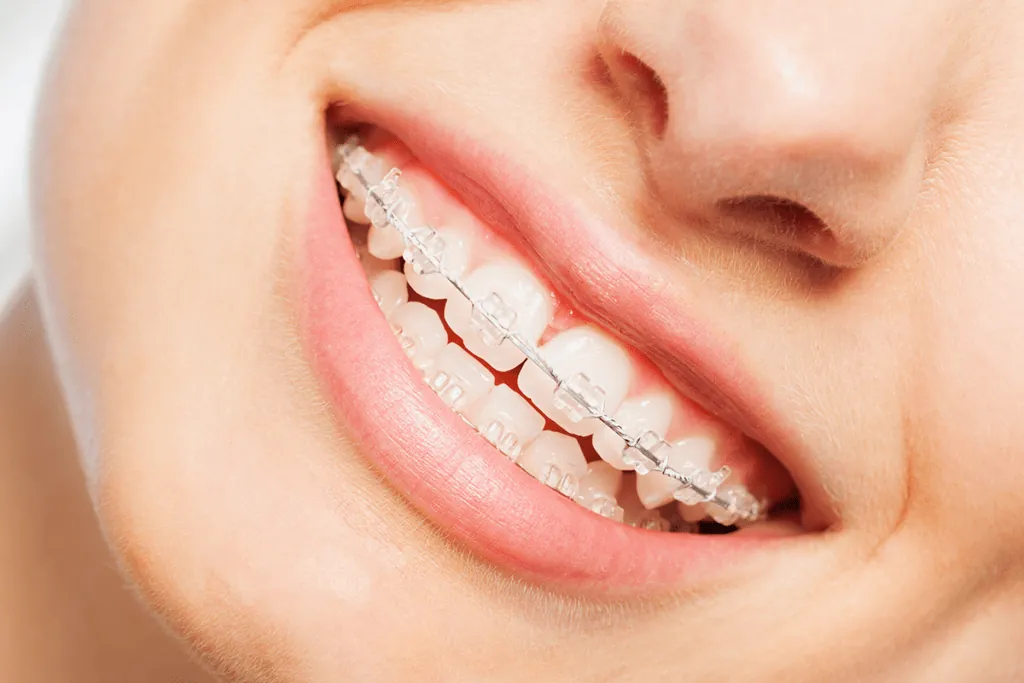 Ceramic braces don't spoil the look of your teeth, as they are almost invisible. They are practically indistinguishable from tooth enamel, but over time they can become slightly stained by certain drinks (coffee, tea, red wine) and strongly colored spices. Ceramic braces are also less resistant to mechanical stress.
Sapphire braces
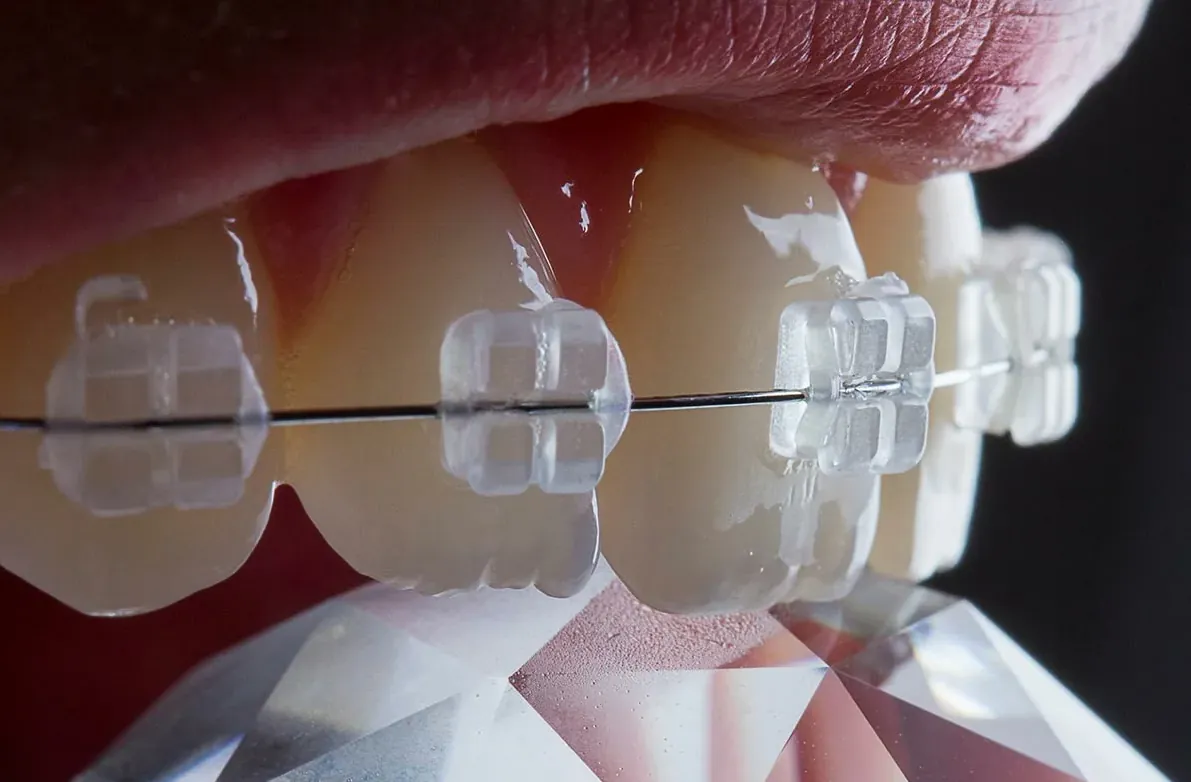 Sapphire braces barely affect your appearance: they are transparent and almost invisible. They are made of aluminum oxide. The main drawback that keeps sapphire braces from wider use is their high cost. But their advantages (an attractive look, no allergic reactions, high strength and comfort) make them quite popular.
Combined braces
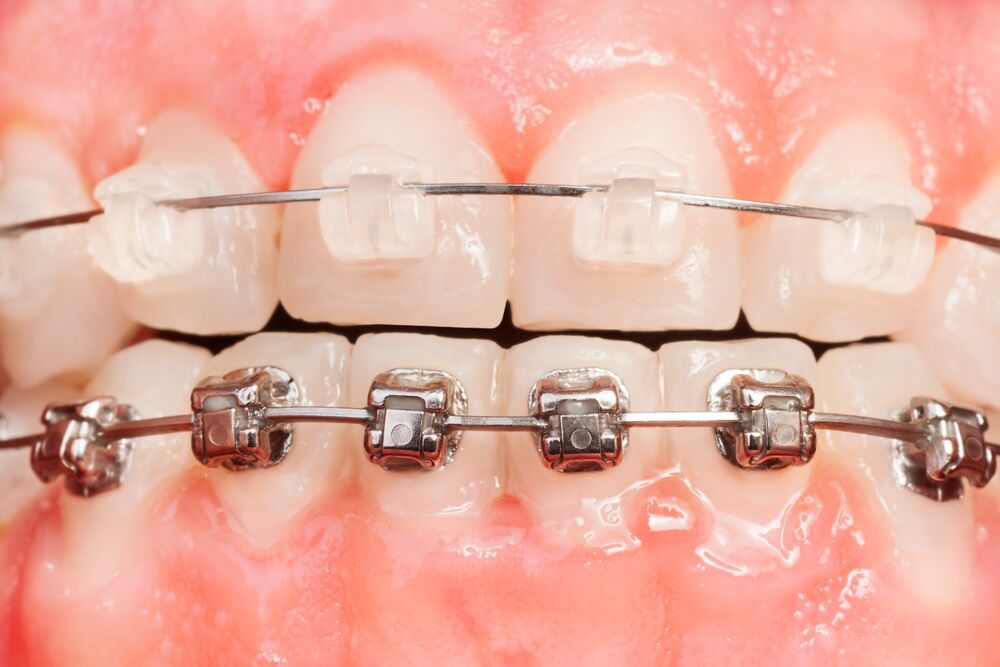 Today this is a popular option that works well in many respects. The orthodontist can fit different types of braces depending on the situation. For example, if the lower teeth are more crooked, metal braces are placed on them, while a more attractive-looking system is fitted on the upper teeth. In this case, cheaper metal braces can also be placed on the side teeth.
In general, keep in mind that the appearance of braces does not affect how well they achieve the final result. When choosing a system, consider your budget, your aesthetic requirements and your individual needs. In any case, the final choice of corrective system is made after you visit an orthodontist for a consultation.
Types of braces by position on the teeth
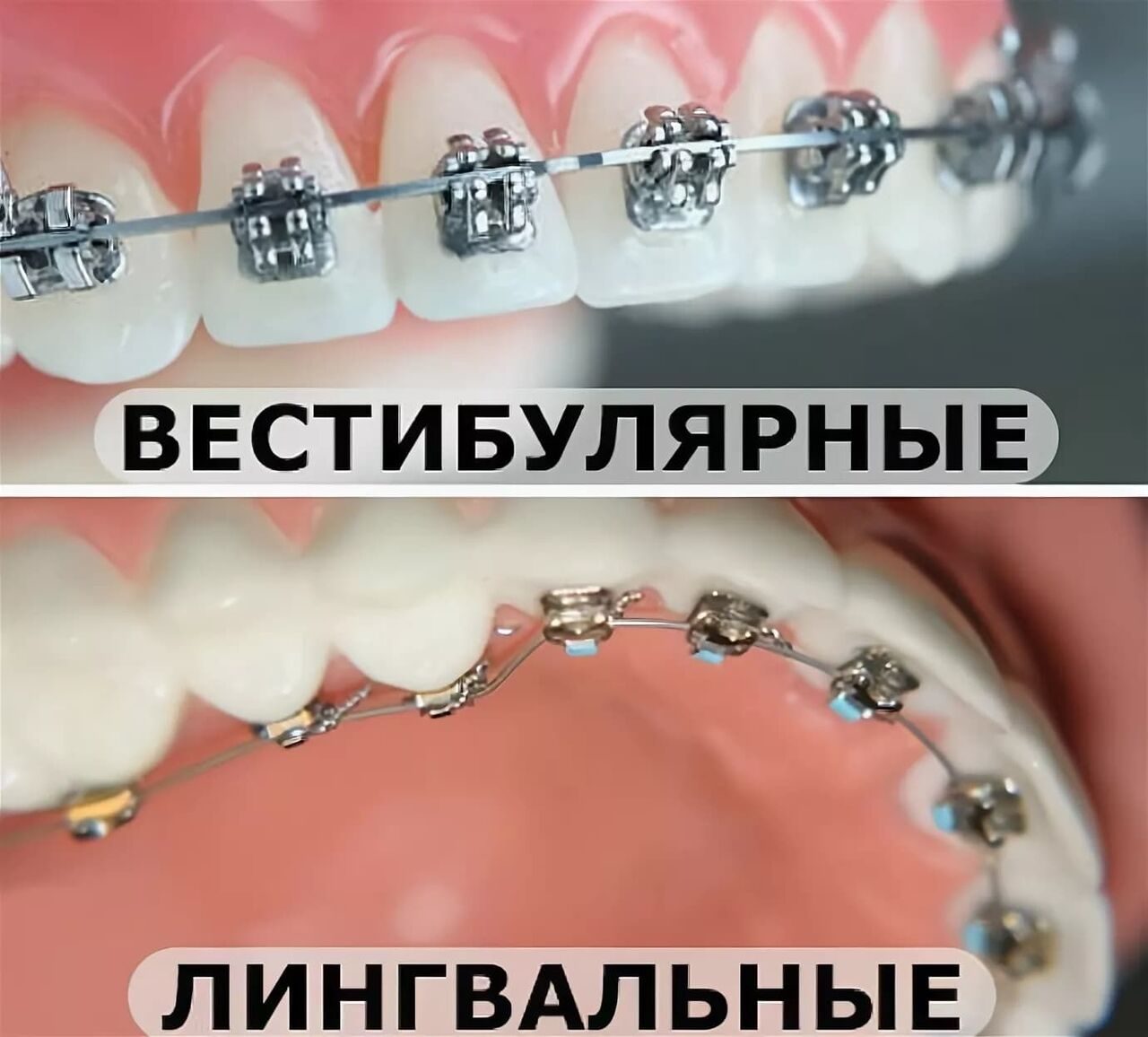 Besides the materials used, braces are classified by where they are placed: vestibular or lingual. Vestibular braces are easier to fit and are attached to the outer surface of the teeth; lingual braces are attached to the inner surface. Lingual braces are harder to fit and take longer to get used to, but they can't be seen.
Vestibular (outer) braces
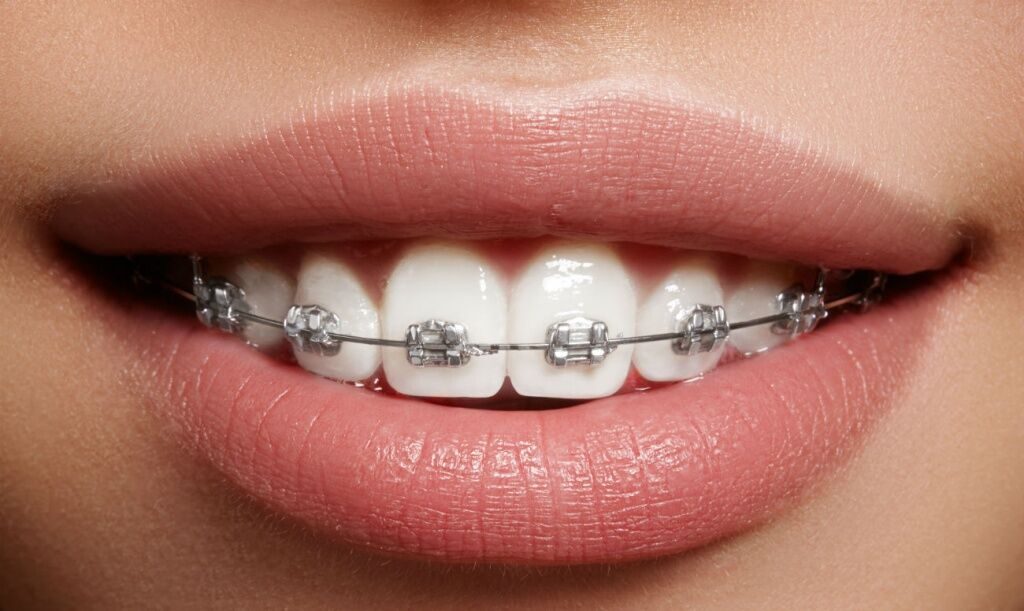 Braces placed on the visible outer surface of the teeth are called vestibular. This is the most popular type among patients. Outer braces are made from a variety of materials: metal, ceramic, composite and aluminum oxide. This type of braces has no negative effect on the teeth. A special orthodontic material is used to attach them to the tooth surface.
Lingual (inner) braces
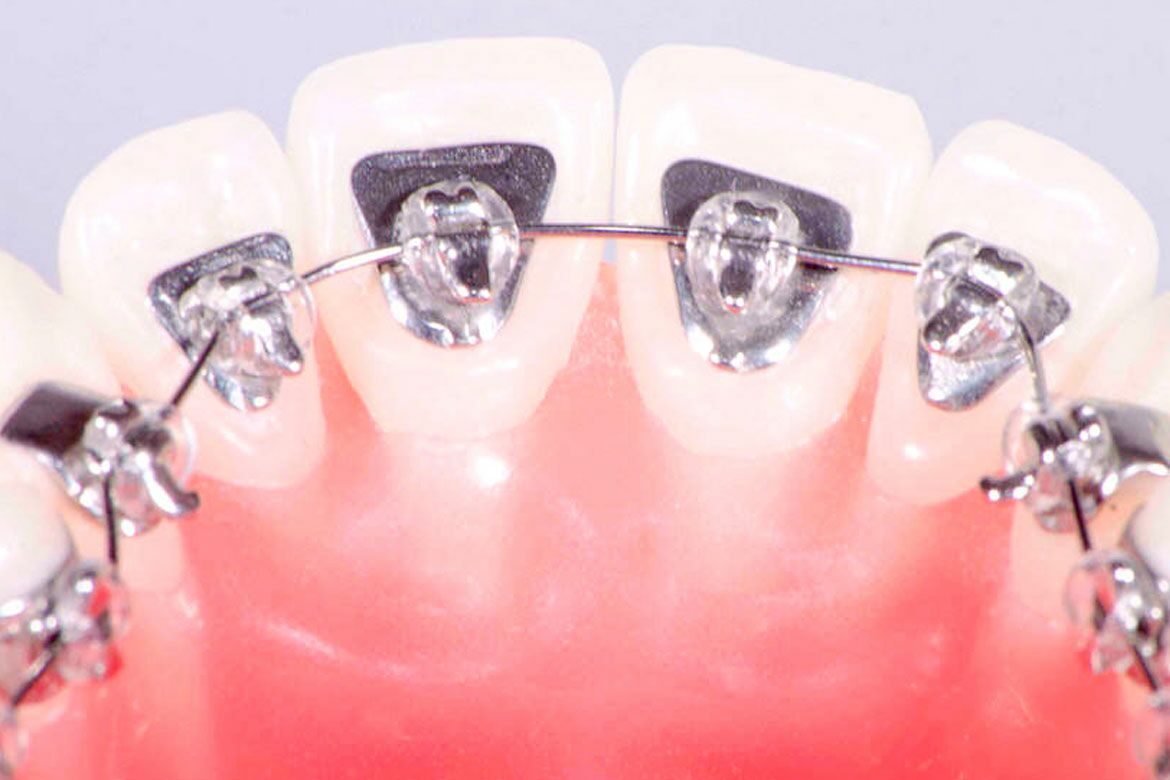 For many patients, aesthetics matter a great deal: they want braces that no one can see. Lingual (inner) braces solve this problem: they are attached to the inner surface of the teeth, so other people can't see them. In terms of aesthetics, this is the best option.
However, standard lingual braces cause some inconvenience: they are not easy to get used to, and they also affect your speech.
Types of braces by fixation method
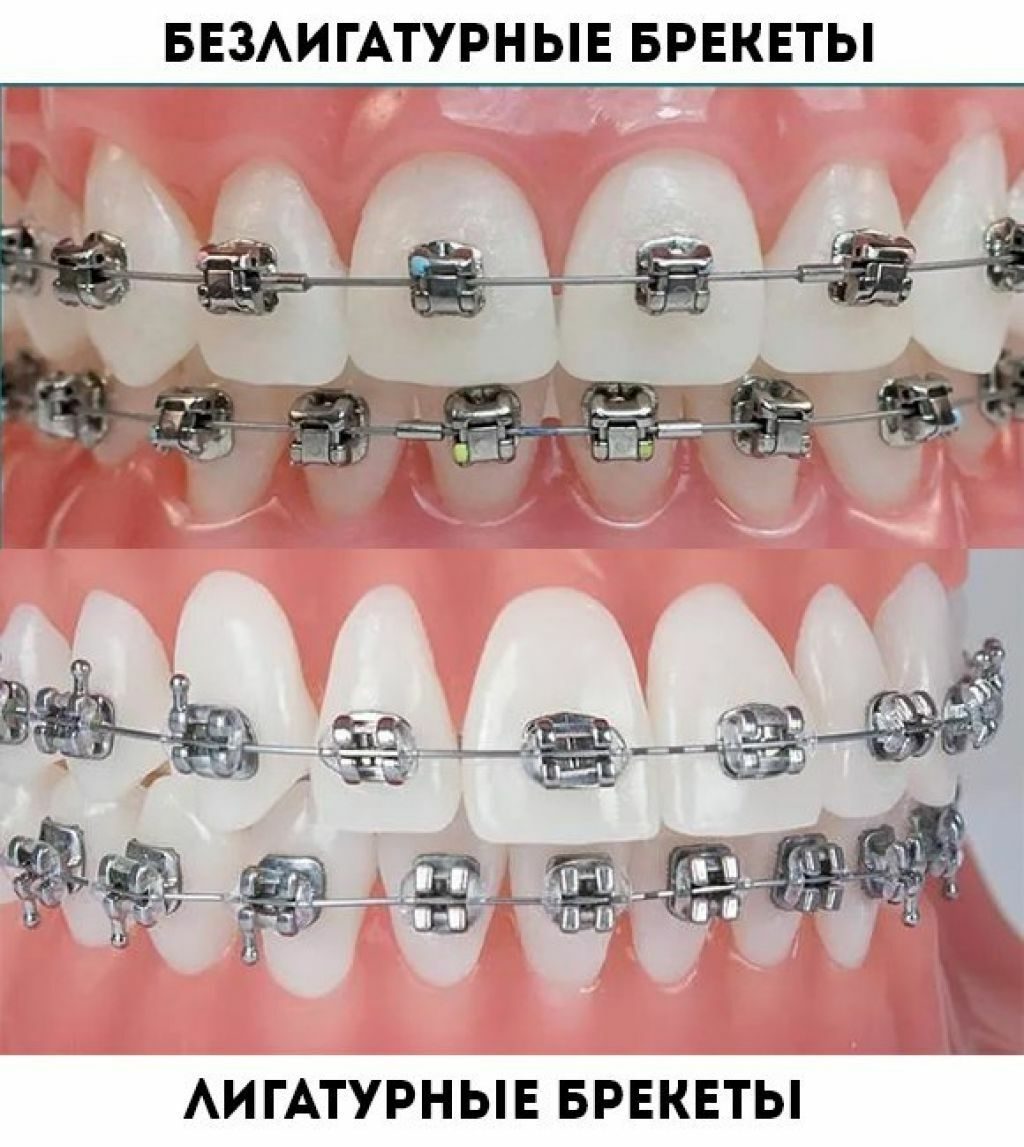 Braces also differ in how they are secured on the teeth, which is another way of classifying them. Whatever material they are made of, braces can be ligature or ligature-free. In the first type, the archwire is attached to the brackets with elastic rings (ligatures). The second type is self-ligating: the archwire is held in a special slot with a clip.
Ligature braces
A ligature system consists of a metal archwire, the brackets themselves and separate elements that tie them together. Classic braces work thanks to the ligature, a component of the system made of thin metal wire.
These systems are highly functional, and in some cases only a ligature system can correct a bite problem. If a ligature system is chosen for your treatment, monthly visits to the orthodontist are mandatory.
Self-ligating braces
To make treatment more comfortable for patients, manufacturers of orthodontic systems have developed self-ligating (ligature-free) braces. Because there are no ligatures on the brackets, which are prone to deformation, you need to see the orthodontist 1.5 to 2 times less often.
Self-ligating braces also look neater and more attractive. Their brackets are slightly smaller than those of conventional classic braces.
Besides requiring fewer visits to the doctor and looking more attractive, self-ligating braces also act on the teeth more gently than ligature systems.
Removable appliances (braces)
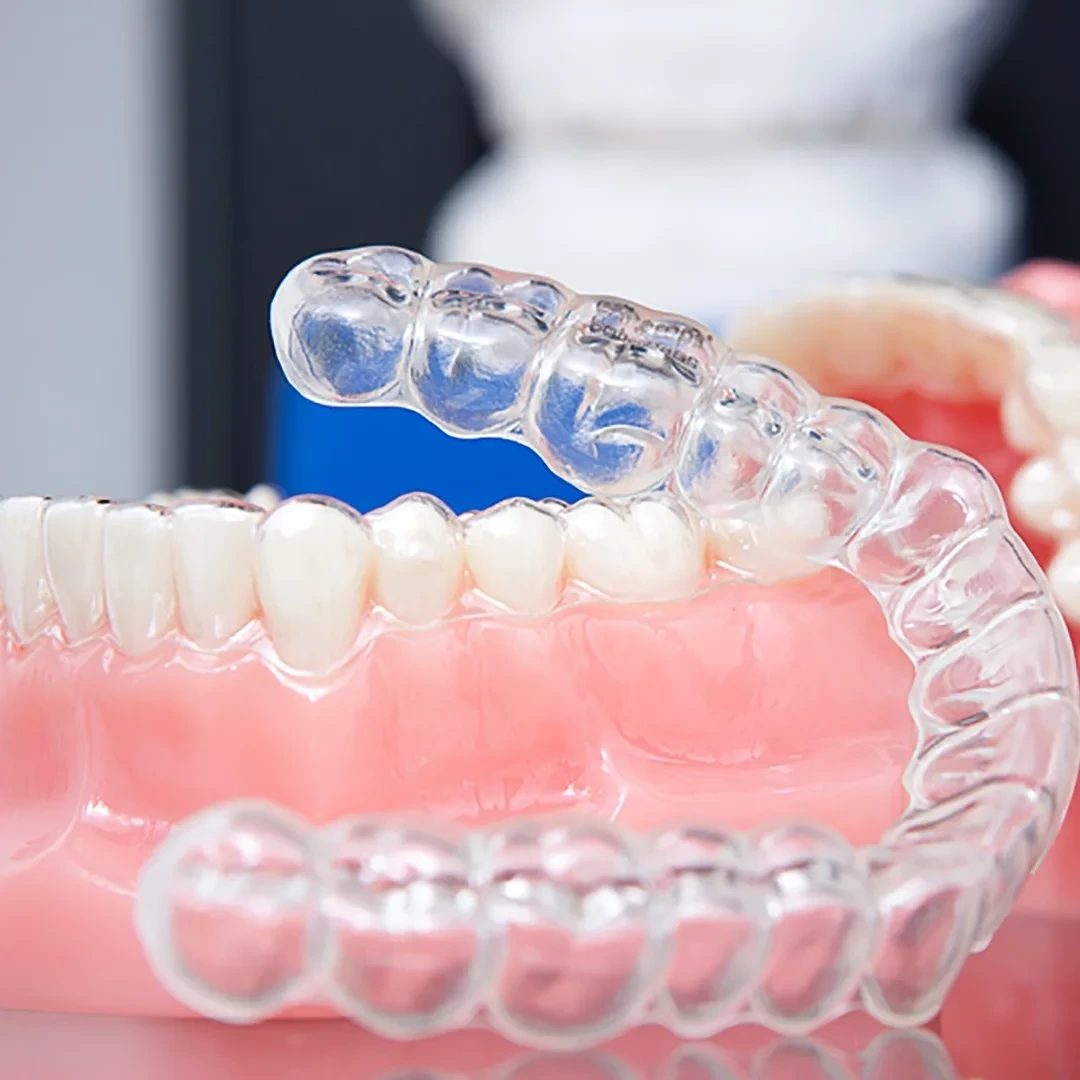 In dental practice, bites are often corrected with removable appliances. They are less effective in adults than in children, because an adult's skeleton is already fully formed.
Removable appliances include orthodontic trainers, aligners and trays.
Don't expect such systems to correct a bite radically: they are effective only for minor misalignment or for expanding the jaw when there isn't enough room for the teeth.
Other types of braces
One solution for correcting bite problems in children is colored or shaped “braces”. In fact, it is the ligatures that are colored, not the braces themselves, and together they create an interesting effect.
Children and teenagers are often embarrassed to wear classic braces, and a colored or shaped version can make things much easier for them. Such “braces” become part of their look and highlight their individuality. Psychologically, the period of getting used to them is also easier.
Shaped braces
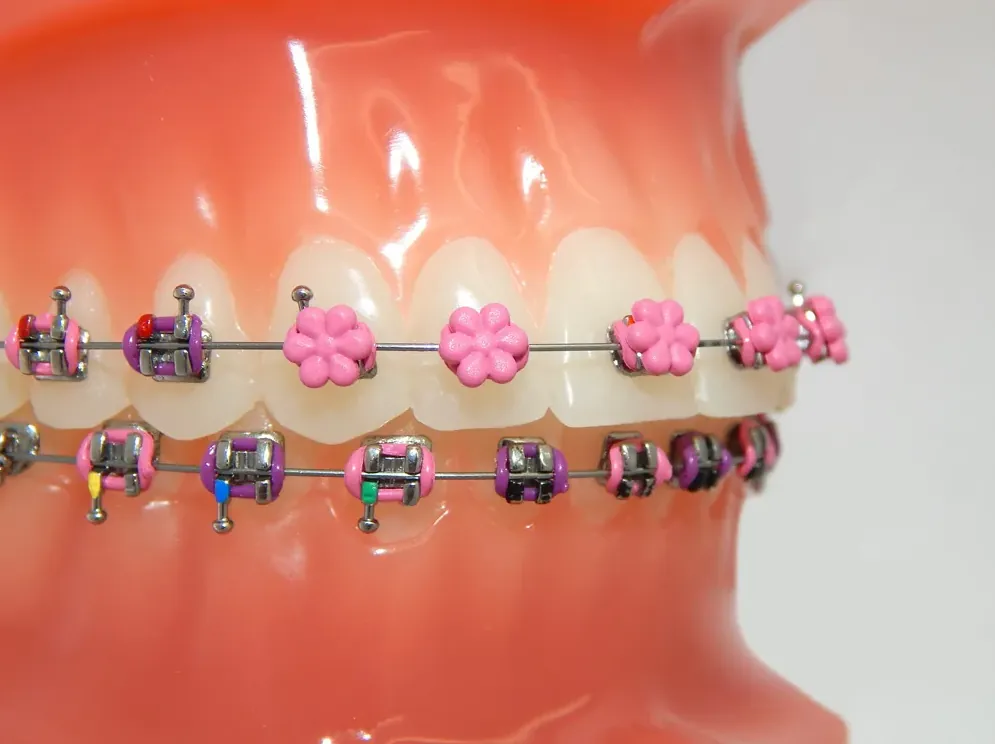 There is no point in treating shaped braces as a separate type: they are ordinary braces fitted with ligatures of unusual shapes. Children and teenagers like ligatures shaped like stars or hearts. For parents, this is often the only effective way to get a child involved in treatment, especially since it can last several months or even longer.
Colored “braces”
The colored ligatures of colored “braces” have no special design features: they do the same job as ordinary braces. Their only additional role is to remove the psychological barriers that keep people from deciding to correct their bite.
Benefits of braces at DentalPark
- Straighter teeth: Braces help improve the position of your teeth, correct imperfections and achieve a correct bite.
- Better health: Beyond the cosmetic benefits, braces also help improve your oral health.
- More confidence: A beautiful smile makes you more self-confident and more successful in communicating with others.
- Individuality: You can choose the style and color of your braces to express your individuality.
The color of braces is changed either by using ligatures in different colors or by fitting plastic ligatures in the shade you want. This is especially popular with children, teenagers and adults who want to show their creativity.
Braces at DentalPark are a reliable and effective way to get a beautiful smile and healthier teeth. Our specialists will do everything they can to make your treatment comfortable and successful. Don't put off caring for your smile: contact DentalPark today and start your journey to a perfect smile!
How much do braces cost in Almaty?
A perfect smile is not just about looks; it's about health too. Braces correct the bite, straighten the teeth and prevent dental problems from developing. But the main question for many people is how much do braces cost in Almaty?
Braces prices in Almaty: key factors
The cost of braces depends on several factors:
- The type of braces (metal, ceramic, sapphire, lingual, self-ligating, aligners)
- How complex the bite correction is
- The orthodontist's qualifications and experience
- The need for additional procedures (diagnostics, impressions, dental treatment)
- The clinic and the materials used
Can I get braces in installments?
DentalPark in Almaty offers installments or credit for braces. Popular options:
- Kaspi Red
- Halyk Bank installments
- A payment plan arranged directly with the clinic
How much does it cost to get braces?
| Full course of treatment with H4 braces | from 100,000 KZT |
| Aligners (clear trays) | from 700,000 to 2,000,000 KZT |
| Metal braces | from 250,000 to 450,000 KZT |
| Ceramic braces | from 350,000 to 600,000 KZT |
| Sapphire braces | from 400,000 to 700,000 KZT |
| Lingual (invisible) braces | from 800,000 to 1,500,000 KZT |
All our services
 Gum treatment
 Dental treatment
 Bite correction for children and adults
 Dental implants in Almaty
First consultation and check-up — free
132 Dostyk Ave, 1st floor, Almaty · Mon–Sat, 9:00–20:00